Central Park is one of New York City’s most recognizable attractions, offering an impressive contrast to the surrounding skyscrapers and busy avenues of Manhattan. Covering 843 acres, the park features landscaped gardens, wooded paths, lakes, bridges, monuments, recreational areas, and scenic viewpoints.
Its popularity, however, can also mean significant crowds, particularly around the most frequently used entrances and major attractions. Travelers hoping for a more peaceful experience may benefit from entering through less crowded access points and exploring areas away from the park’s busiest southern sections.
Why Central Park’s Main Entrances Can Be Crowded
Central Park has numerous entrances spread across its perimeter, but they do not all experience the same level of foot traffic. Entrances along the southern edge tend to attract large numbers of visitors because they are convenient for people arriving from Midtown and Lower Manhattan.
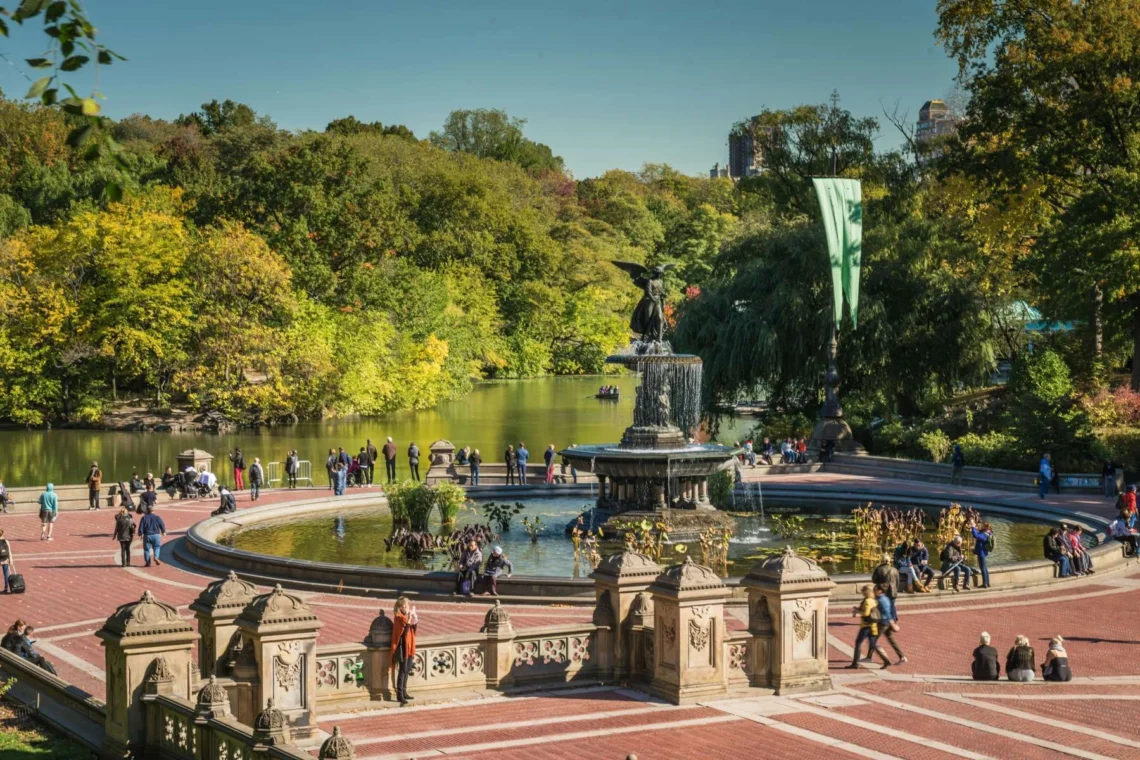
These entrances also provide quick access to popular destinations such as Bethesda Terrace, The Mall, and other well-known attractions. During weekends, holidays, and peak tourist periods, the concentration of visitors can make the first part of a park visit feel considerably busier than expected.
Travelers seeking a slower experience can instead consider entrances farther north or access points that lead directly toward quieter sections of the park.
Explore the North Woods for a Quieter Experience
The North Woods is one of Central Park’s most natural-looking areas. Its winding paths, mature trees, rocky landscapes, and wooded surroundings provide a striking contrast to the manicured spaces found elsewhere in the park.
The landscape was designed to evoke the appearance of New York State’s mountainous regions, including areas associated with the Adirondacks and Catskills. As a result, visitors can experience a more secluded atmosphere without leaving Manhattan.
The northern portion of the park generally receives fewer tourists than the areas surrounding the most famous landmarks, making it an appealing choice for travelers who want to walk, relax, or take photographs away from heavy foot traffic.
Discover The Ramble
The Ramble is another strong option for visitors searching for a quieter part of Central Park. This approximately 36-acre woodland features winding trails, rocky areas, vegetation, and small bridges that create an almost secluded environment.
The area is also well known among birdwatchers. Migratory birds can be spotted here during certain times of the year, making the Ramble an interesting destination for nature enthusiasts as well as casual visitors.
Instead of heading directly toward the busiest attractions after entering the park, travelers can use entrances around 72nd Street to reach this wooded section and spend time exploring its paths.
Visit the Conservatory Garden
Travelers interested in flowers and landscaped spaces can head toward the Conservatory Garden on the park’s northern side.
The six-acre garden is divided into French, Italian, and English-inspired sections, creating several distinct environments within one destination. Seasonal flowers and carefully maintained landscaping make the garden particularly attractive during spring, summer, and fall.
The garden can be accessed from East 102nd Street, providing an alternative to the more heavily visited southern entrances.
Add Shakespeare Garden to the Itinerary
Shakespeare Garden offers another peaceful area for visitors who enjoy plants, landscaping, and literary connections.
Although smaller than the Conservatory Garden, the space combines flowers, plants, pathways, and architectural elements to create a charming setting. It can be a worthwhile stop for visitors exploring the western and northern areas of Central Park.
Because it is less associated with the park’s headline attractions, it can also provide a more relaxed environment than some of the better-known locations.
Visit Central Park During Less Busy Hours
Choosing the right entrance is only one way to avoid crowds. Timing can also have a significant effect on the experience.
Early mornings are generally more peaceful than the middle of the day, while weekdays can be preferable for travelers who have flexibility in their schedules. Visitors should also consider exploring less popular areas during peak tourist periods rather than spending the entire visit around major landmarks.
For photography, morning and late afternoon can provide attractive natural light while also offering opportunities to experience the park at a slower pace.
Do Not Skip the Famous Attractions Entirely
Avoiding crowded entrances does not mean avoiding Central Park’s most famous attractions. Bethesda Terrace, the Mall, bridges, fountains, and other landmarks remain worthwhile stops.
A better strategy can be to explore quieter areas first and then visit the major attractions at less congested times. This allows travelers to experience both sides of the park: its famous landmarks and its quieter natural landscapes.
Planning a route based on specific interests can also help visitors avoid unnecessary backtracking and spend more time enjoying the surroundings.
Central Park Offers More Than Its Most Famous Sights
One of Central Park’s biggest strengths is its variety. Visitors can move from busy plazas and architectural landmarks to forests, gardens, lakes, and secluded pathways within a relatively short distance.
That variety means travelers do not necessarily have to follow the same routes as large tour groups. Exploring beyond the most recognizable landmarks can reveal some of the park’s most atmospheric locations.
Whether the goal is birdwatching, photography, walking, relaxing, or simply escaping the city’s noise for a while, Central Park has areas suited to different types of visitors.
Conclusion
Central Park is popular for good reason, but its busiest entrances can sometimes create an unnecessarily crowded first impression. Travelers looking for a more relaxing experience can consider entering through less congested access points and heading toward the park’s northern and wooded areas.
The North Woods, The Ramble, Conservatory Garden, and Shakespeare Garden provide alternatives to the heavily visited southern attractions while still showcasing the park’s natural and architectural beauty. With thoughtful timing and a willingness to explore beyond the main landmarks, visitors can experience a quieter and more rewarding side of one of New York City’s most iconic destinations.
FAQs
The northern areas, including the North Woods, tend to offer a quieter experience than the heavily visited southern sections. The Ramble and some of the park’s less prominent paths can also be good options for avoiding large crowds.
There is no single entrance that is always the quietest because visitor numbers vary by day and time. Entrances leading toward the North Woods and Conservatory Garden can be useful alternatives to the busiest southern entrances.
The North Woods, The Ramble, Conservatory Garden, and Shakespeare Garden are among the areas worth considering for a more peaceful Central Park experience. Early morning visits can make these locations even more relaxing.