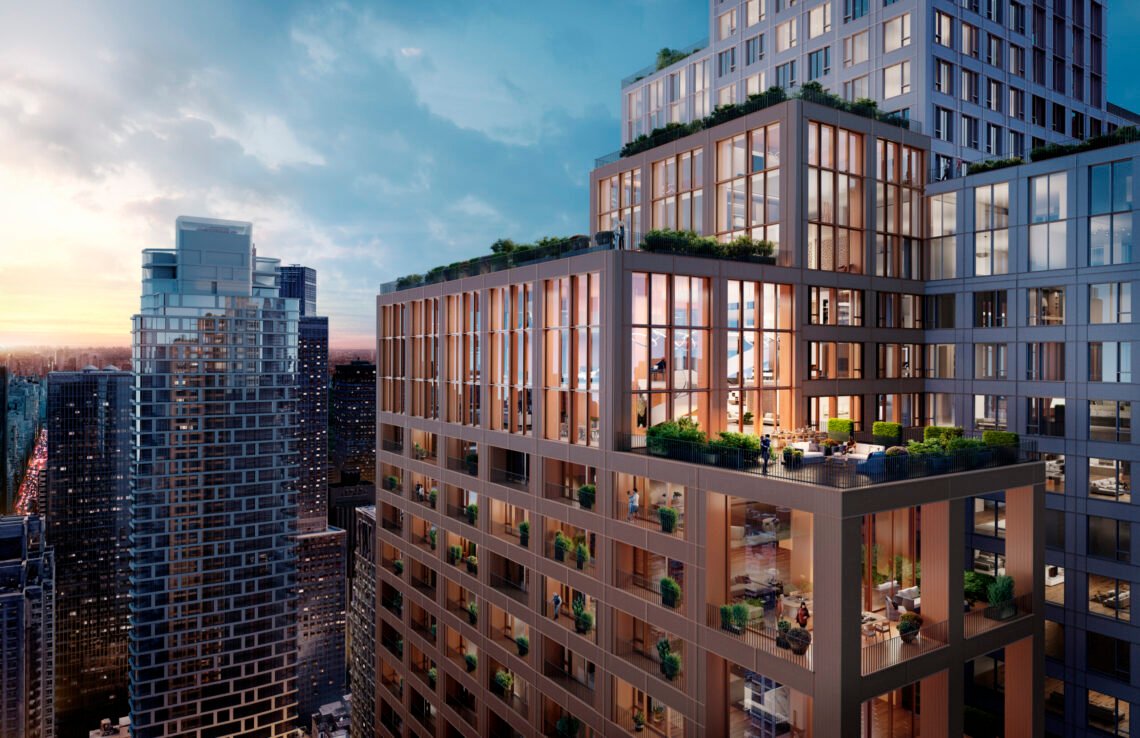
New York City is increasingly looking to an unusual source of housing supply: existing office buildings. As the city continues to face housing shortages and changing demand for commercial space, converting underused offices into residential properties has become a growing part of its development strategy.
Office-to-residential conversions can provide a way to add housing without requiring entirely new structures. However, these projects also involve significant engineering, regulatory, financial, and construction challenges, making careful planning essential.
Office Conversions Are Becoming a Major Source of New Housing
Recent city data highlights how quickly office conversions have expanded. During the first half of 2026, New York City approved 74 conversion projects that are expected to produce approximately 10,100 residential units.
Those projects represented about one-third of all housing units permitted in the city during that period. The figures demonstrate that converting existing commercial properties is no longer a niche development strategy but an increasingly important part of New York’s housing plans.
The trend has accelerated particularly since 2023. According to an analysis of city records, conversion projects approved from 2023 through June 2026 accounted for nearly 19,700 new homes. That figure exceeded the number of units approved through conversion projects during the entire 2010–2022 period.
Why Developers Are Converting Office Buildings
The shift toward office conversions has been influenced by several factors. Changes in workplace patterns have left some commercial properties with lower demand, while New York continues to need additional housing.
Repurposing an existing office building can potentially bring residential units to established neighborhoods while making productive use of properties that might otherwise remain underused.
Large buildings in Manhattan have accounted for many of the recently approved projects. Their size means that a single conversion can add hundreds or even thousands of homes to the city’s housing stock.
However, not every office building is suitable for residential use. Building layouts, window placement, plumbing systems, structural conditions, elevators, fire-safety requirements, and access to natural light can all influence whether a conversion is practical.
Tax Incentives Are Helping Accelerate Development
Financial incentives have also played a significant role in encouraging developers to move forward with conversion projects.
Developers accelerated construction activity ahead of a June 30, 2026 deadline associated with a tax incentive designed to encourage residential conversions and affordable housing. Eligible projects that started construction before the deadline could receive a 35-year tax break.
Additional projects remained in the planning process at the deadline and could qualify for a smaller tax benefit.
Such incentives can make the difference between a conversion project being financially viable and remaining on hold, particularly when construction costs, financing expenses, and the complexity of adapting older commercial buildings are taken into account.
Large-Scale Projects Bring Both Opportunities and Risks
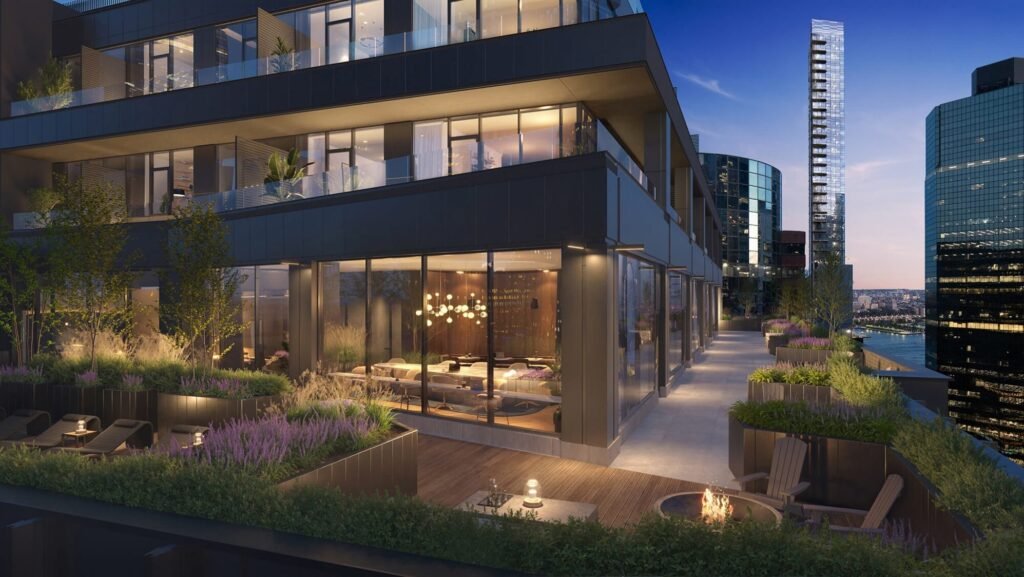
While office conversions can help address the housing shortage, large-scale redevelopment projects also demonstrate the importance of construction safety.
A recent incident involving a former Pfizer building in Midtown Manhattan drew attention to the structural challenges associated with transforming older commercial properties. Two steel columns buckled in July, leading to the closure of portions of the surrounding area and raising concerns about the risks involved during major building work.
The incident serves as a reminder that converting an existing structure requires more than changing its interior layout. Engineers and contractors must understand the original building’s structural system and determine how proposed modifications could affect its stability.
Engineering and Construction Planning Are Critical
Office-to-residential conversion projects can require extensive modifications. Residential buildings typically have different plumbing, electrical, ventilation, fire-protection, and mechanical requirements than office properties.
Construction teams may also need to modify floor layouts, install new bathrooms and kitchens, upgrade building systems, improve accessibility, and meet updated residential safety standards.
Structural work requires particularly careful coordination. Removing walls, relocating mechanical equipment, creating new openings, or changing load distributions can affect the existing structure.
For this reason, detailed inspections and engineering assessments should be completed before major construction begins. Careful sequencing of construction activities can also help reduce structural and operational risks.
Converting Existing Buildings Can Support More Sustainable Development
Another potential advantage of office conversions is the opportunity to reuse existing structures rather than demolishing them and constructing entirely new buildings.
Adaptive reuse can preserve portions of a building’s existing structure and reduce the need for new construction materials. It can also bring new residential activity to neighborhoods that already have transportation networks, utilities, businesses, and other infrastructure.
The environmental benefits vary from project to project, however. Older buildings may require substantial upgrades to improve energy efficiency, insulation, heating and cooling systems, and other performance characteristics.
The Trend Could Reshape New York’s Real Estate Market
The growing number of office conversions could have broader implications for New York’s commercial and residential real estate markets.
For property owners, an underused office building may represent an opportunity for redevelopment. For developers, residential conversions can provide access to properties in locations where constructing an entirely new building may be difficult.
For the city, the primary benefit is the potential addition of thousands of housing units without relying exclusively on ground-up construction.
At the same time, conversion projects can take years to complete and may face zoning, financing, engineering, permitting, and construction obstacles. The number of approved projects therefore does not necessarily translate immediately into completed homes.
As neighborhoods evolve through redevelopment and new residential projects, the changes can also influence the local businesses, food culture, and traditions that give different parts of New York their character. New York’s neighborhoods have long been associated with distinctive foods and traditions, including classic desserts that remain part of the city’s cultural history.
What Office Conversions Mean for New York’s Housing Future
New York’s increasing reliance on office conversions reflects the changing relationship between commercial real estate and housing. As demand for traditional office space evolves, properties that once served primarily as workplaces may increasingly become candidates for residential redevelopment.
The scale of recent approvals suggests that conversions could remain an important component of the city’s strategy for increasing housing supply. Their success will depend on maintaining strong building standards, thorough engineering oversight, appropriate incentives, and effective project management.
Conclusion
Office-to-residential conversions are becoming an increasingly important way for New York City to create additional housing while repurposing existing commercial properties. Recent approvals show that the approach can contribute a substantial number of new residential units, particularly through large projects in Manhattan.
However, the challenges surrounding structural integrity, building-system upgrades, affordability, financing, and construction safety cannot be overlooked. As more developers pursue adaptive reuse, careful engineering and responsible construction practices will be essential to ensuring that these projects deliver safe, functional, and sustainable housing for New York residents.
FAQs
New York is using office conversions to increase housing supply while making use of commercial buildings that may have reduced demand. Converting existing properties can provide an alternative to building entirely new residential structures.
No. Building age, structural design, floor layouts, windows, plumbing, elevators, fire-safety systems, zoning requirements, and other factors can determine whether an office building can be successfully converted into housing.
Major challenges can include structural assessments, redesigning building systems, meeting residential codes, securing financing, obtaining permits, controlling construction costs, and maintaining safety throughout the redevelopment process.

