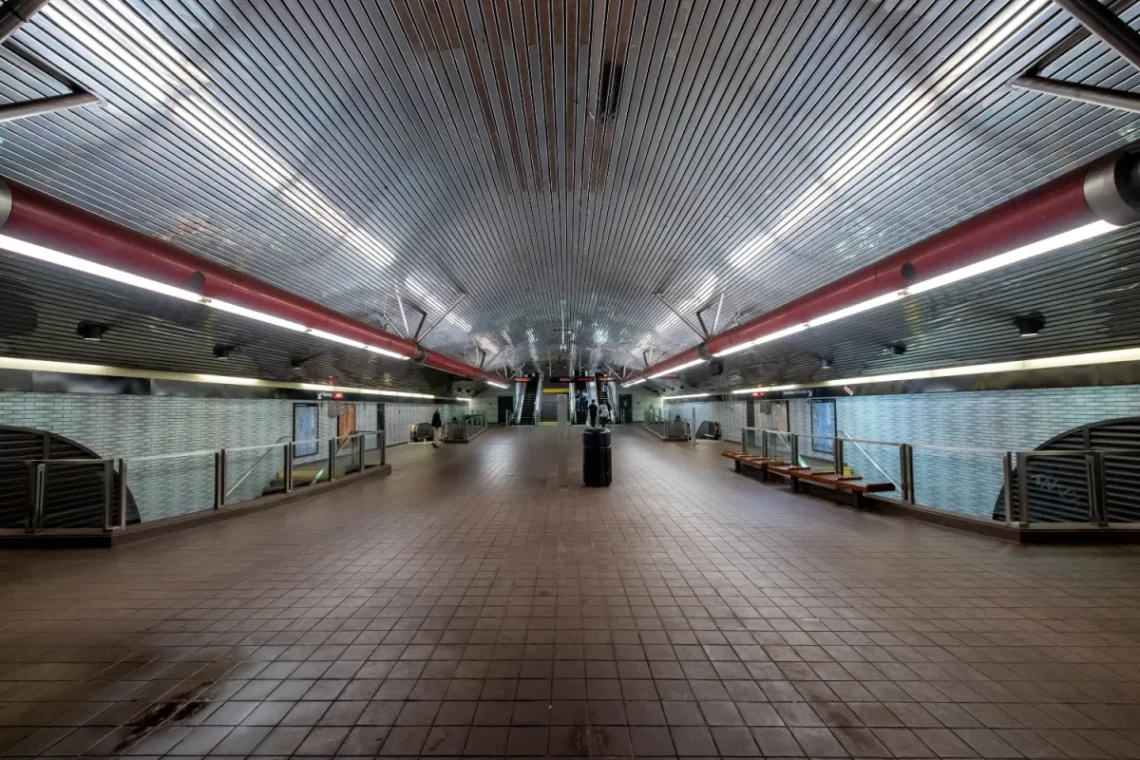
New York City’s subway system is known for helping millions of people travel across the five boroughs, but during the summer, underground platforms can become uncomfortably hot. Now, city and transit officials are exploring whether advanced geothermal technology could help cool some of the system’s hottest stations while also supporting energy efficiency in nearby buildings.
A proposed study involving the Chambers Street subway station in Lower Manhattan could examine how geothermal heat pumps might be used to cool underground platforms during the summer and provide heating benefits to municipal buildings during the winter. The project represents a potential new approach to improving passenger comfort while exploring more sustainable infrastructure solutions.
A New Approach to Cooling NYC Subway Stations
Traditional air-conditioning systems typically remove heat from an indoor space and release it outdoors. Geothermal cooling systems operate differently by using underground temperatures and water-based heat transfer to move excess heat away from a building or enclosed environment.
The proposed study at Chambers Street would explore whether geothermal heat pumps could be installed and connected to nearby municipal buildings. The concept could potentially allow the system to serve two purposes: helping cool subway platforms during hot weather and supporting heating needs in nearby buildings during colder months.
This type of integrated infrastructure could offer an innovative way to make better use of energy across multiple public facilities.
Why Subway Heat Is a Major Challenge
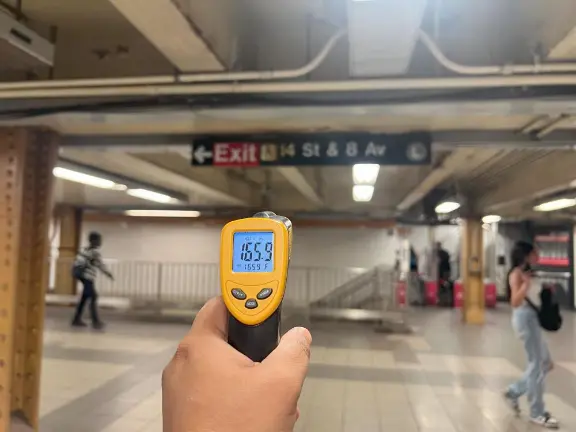
Heat inside subway stations can become particularly intense during the summer. Underground platforms have limited natural ventilation, while trains, equipment, passengers, and surrounding infrastructure can all contribute to rising temperatures.
Some stations can become significantly warmer than outdoor conditions, making daily commutes uncomfortable for riders. Improving ventilation and cooling has long been a challenge because the subway system was not originally designed with modern climate-control systems.
As summers continue to bring periods of extreme heat, transportation agencies may need to explore additional ways to improve the underground environment for commuters and transit employees.
The Chambers Street Station Could Become a Test Case
The Chambers Street J and Z station has been identified as a potential location for the geothermal feasibility study. The station is also scheduled for broader improvements that could address structural issues and restore historic architectural features.
The proposed geothermal study would examine whether a network of heat pumps could be integrated into the station and connected to nearby city-owned buildings. If the concept proves technically and financially feasible, it could provide valuable information for similar projects elsewhere in the transit system.
The study could also include the nearby City Hall station, another location where underground heat has been a concern.
Combining Cooling and Heating Infrastructure
One of the most interesting aspects of the proposal is its potential ability to connect transportation infrastructure with nearby buildings.
During the summer, geothermal technology could potentially transfer heat away from underground subway spaces. During the winter, the same broader system could support heating needs in municipal buildings.
This type of energy-sharing approach could help public agencies explore more efficient ways to manage heating and cooling across connected facilities. Instead of treating each building or station as an isolated system, future infrastructure projects may increasingly look for opportunities to share resources.
A Larger Focus on Sustainable Transit Infrastructure
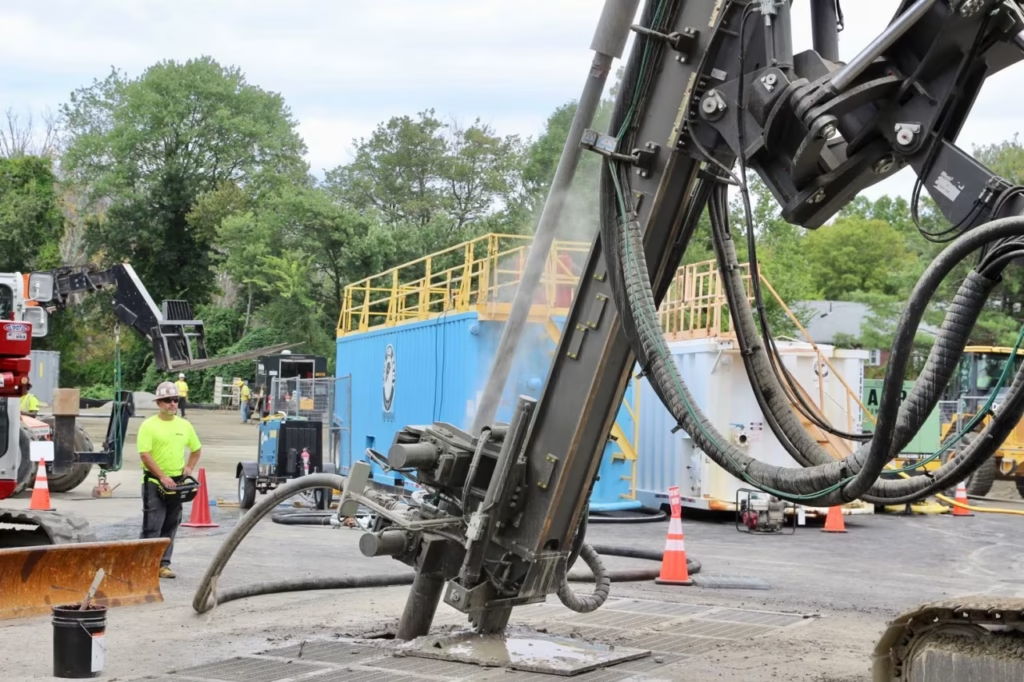
The proposed Chambers Street project is part of a broader conversation about making public transportation infrastructure more resilient and sustainable.
Transit agencies across the country are facing the effects of aging infrastructure, rising temperatures, extreme weather, and increasing energy costs. These modernization efforts are also taking place as New York’s growing technology ecosystem continues to support innovation across different sectors. Modernization projects are no longer focused only on tracks, signals, and stations. Energy efficiency, climate resilience, passenger comfort, and environmental performance are becoming increasingly important considerations.
Geothermal systems could become one option among several technologies that help transportation agencies address these challenges.
Preserving History While Modernizing the Station
The Chambers Street station is more than a transportation facility. Its historic design and architectural details have made it an important part of Lower Manhattan’s transit history.
Planned renovation work is expected to include restoration of mosaics, terra cotta features, marble elements, lighting, stairwells, and other infrastructure. Structural repairs are also expected to be part of the modernization effort.
Combining historic preservation with modern technology can be complex, but it may allow public infrastructure to retain its character while improving functionality for current and future riders.
What the Project Could Mean for NYC Commuters
If geothermal cooling proves feasible, the project could provide a model for improving passenger comfort at other stations. However, a feasibility study is only the first stage of the process, and additional engineering, funding, approvals, and construction planning would likely be required before a full system could be installed.
Still, the proposal reflects growing interest in finding practical solutions to one of the most familiar challenges of a New York City summer: extreme heat on underground subway platforms.
For commuters, even incremental improvements in station temperature and ventilation could make daily travel more comfortable during the hottest months of the year.
The Future of Climate-Smart Public Transportation
The Chambers Street study demonstrates how public infrastructure projects may increasingly combine transportation improvements with energy and climate solutions.
As cities modernize aging transit systems, technologies such as geothermal heat pumps, improved ventilation, energy-efficient equipment, and integrated building systems may play a larger role in future planning.
Projects that connect multiple public facilities could also encourage more efficient use of energy and infrastructure. While not every subway station may be suitable for geothermal technology, feasibility studies can help agencies determine where these systems could provide the greatest benefits.
Conclusion
New York City’s exploration of geothermal cooling at the Chambers Street subway station highlights a potential new direction for public transportation infrastructure. The concept could address passenger comfort during extreme summer heat while also exploring opportunities to support nearby municipal buildings with more efficient heating systems.
Although the project remains in the study phase, it reflects a broader effort to modernize aging infrastructure and prepare public transportation systems for changing environmental conditions. If successful, geothermal technology could offer valuable lessons for future station renovations and climate-focused transit projects in New York and other major cities.
FAQs
Geothermal cooling uses underground temperatures and water-based heat transfer to move excess heat away from a space. Unlike traditional air conditioning, which typically releases heat outdoors, geothermal systems can transfer heat through underground infrastructure.
The Chambers Street J and Z station in Lower Manhattan is the primary focus of the proposed feasibility study. The nearby City Hall station may also be included in the research.
The project is currently being explored through a feasibility study. If the technology is found to be practical, additional planning, funding, engineering, and approvals would be required before a full installation could move forward.