New York City is often associated with towering skyscrapers, busy streets, yellow taxis, and bright billboards. Yet beyond its fast-paced atmosphere, the city is filled with peaceful parks, historic landmarks, striking architecture, waterfront spaces, and spectacular viewpoints.
From internationally recognized attractions such as the Statue of Liberty and Empire State Building to quieter destinations such as the Elevated Acre and Silver Lake Park, New York offers plenty of opportunities to experience a different side of the city. Whether visiting for the first time or looking for less familiar places to explore, these destinations showcase some of the most beautiful places in New York City.
1. Statue of Liberty
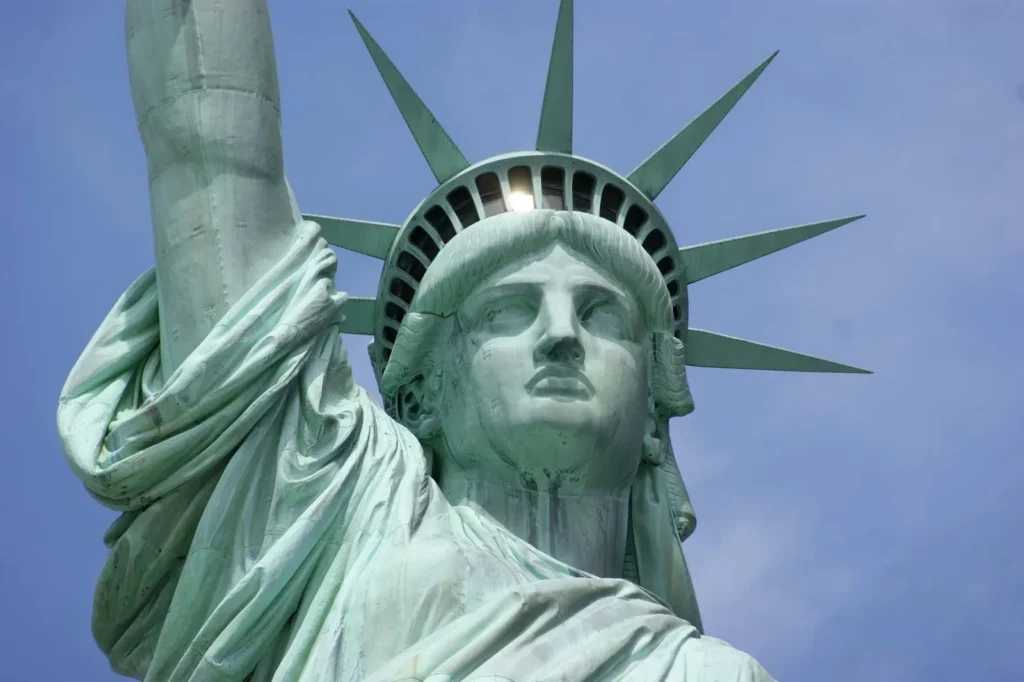
The Statue of Liberty remains one of New York City’s most recognizable landmarks. Located on Liberty Island, the monument combines historical significance with impressive waterfront scenery.
Visitors can take a ferry to Liberty Island and explore the surrounding grounds while enjoying views of Manhattan and New York Harbor. The monument’s distinctive green appearance comes from the natural patina that developed on its copper exterior over time. Sunset can be an especially memorable time to appreciate the statue and surrounding skyline.
2. Central Park
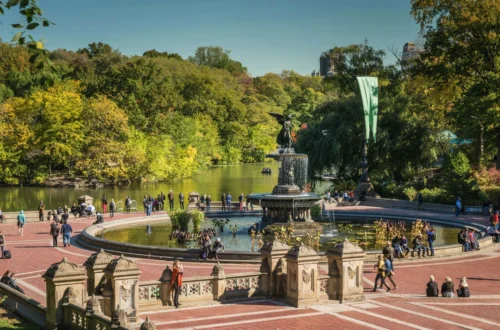
Central Park provides an expansive natural escape in the middle of Manhattan. Covering hundreds of acres, the park includes landscaped gardens, walking paths, lakes, fountains, bridges, and architectural landmarks.
Popular attractions include Bethesda Terrace and Fountain, Belvedere Castle, Conservatory Garden, The Mall, Literary Walk, and Harlem Meer. Each section has its own character, making Central Park a destination that can be explored repeatedly without feeling repetitive.
3. Old City Hall Subway Station
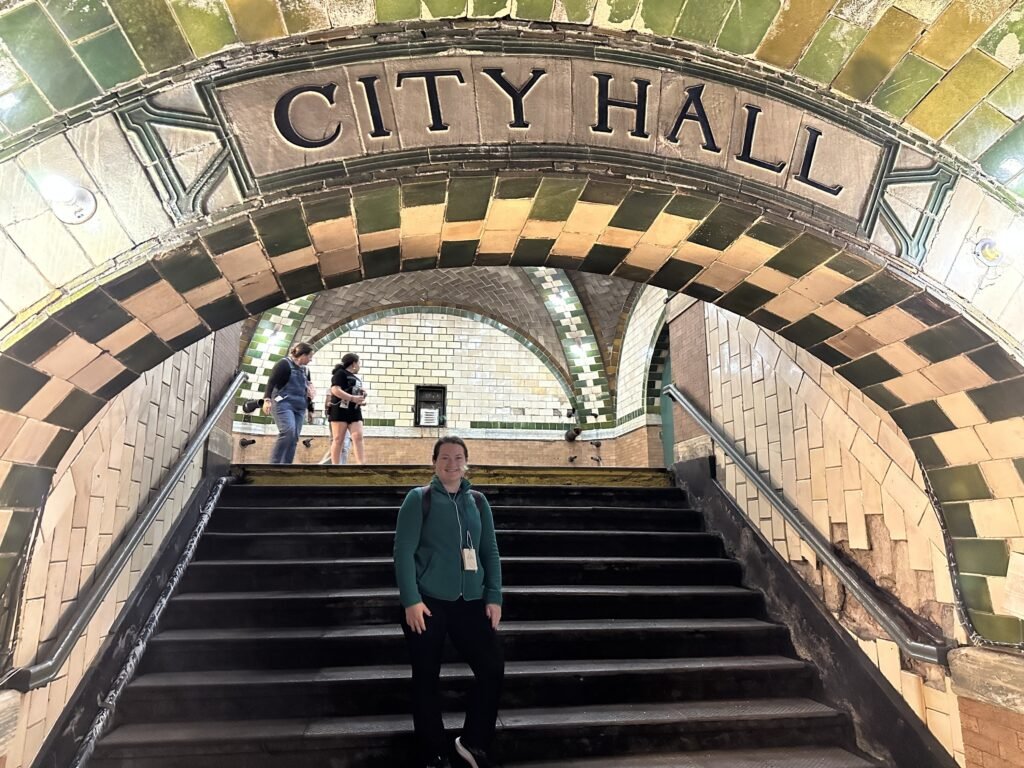
New York’s subway system may not immediately come to mind when thinking about beautiful architecture, but the former City Hall station offers a fascinating exception.
The station features elegant arches, decorative details, and skylights that give the historic underground space a distinctive appearance. Although it is no longer an active station, occasional tours provide opportunities to learn about its history and architectural design.
4. The High Line
The High Line transformed an elevated railway structure on Manhattan’s West Side into one of the city’s most distinctive public spaces.
Stretching through the Chelsea area, the elevated park combines gardens, public art, walking paths, and city views. Visitors can enjoy changing seasonal landscapes while looking across surrounding neighborhoods and toward the Hudson River.
The combination of industrial history and modern landscape design makes the High Line particularly appealing to photographers, architecture enthusiasts, and visitors seeking a different perspective of Manhattan.
5. Madison Square Park
Madison Square Park offers a quieter experience surrounded by some of Manhattan’s most recognizable streets and buildings.
Located near Fifth Avenue and Broadway, the park features mature trees, landscaped areas, public art, monuments, and a reflecting pool. Its central location also makes it convenient to combine with nearby shopping, dining, and architectural attractions.
6. Brooklyn Bridge Park
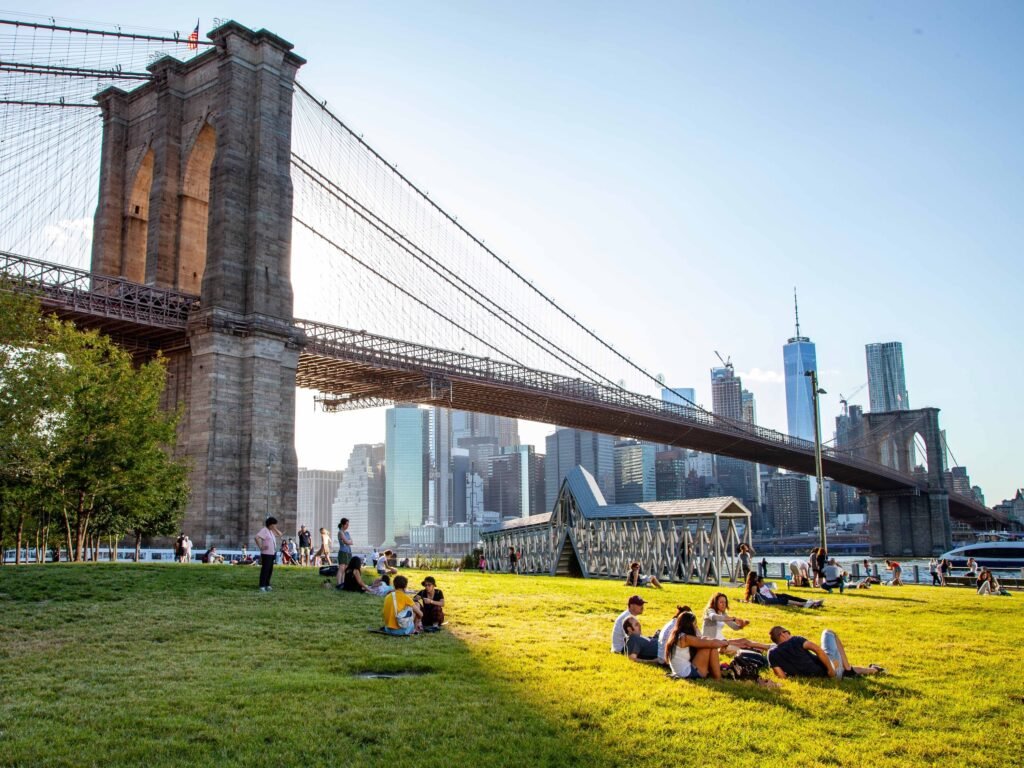
For impressive views of the Manhattan skyline and Brooklyn Bridge, Brooklyn Bridge Park is difficult to overlook.
The waterfront park stretches along the East River and includes landscaped areas, promenades, recreational spaces, and several piers. Different sections of the park provide changing perspectives of Lower Manhattan and the Brooklyn Bridge, particularly around sunrise and sunset.
7. Prospect Park
Brooklyn’s Prospect Park provides a spacious green setting away from the density of Manhattan.
Designed with expansive meadows, wooded areas, water features, and walking paths, the park is especially attractive during autumn when seasonal foliage adds vibrant colors to the landscape. Visitors can also explore nearby attractions and recreational areas during a longer day in Brooklyn.
8. Times Square
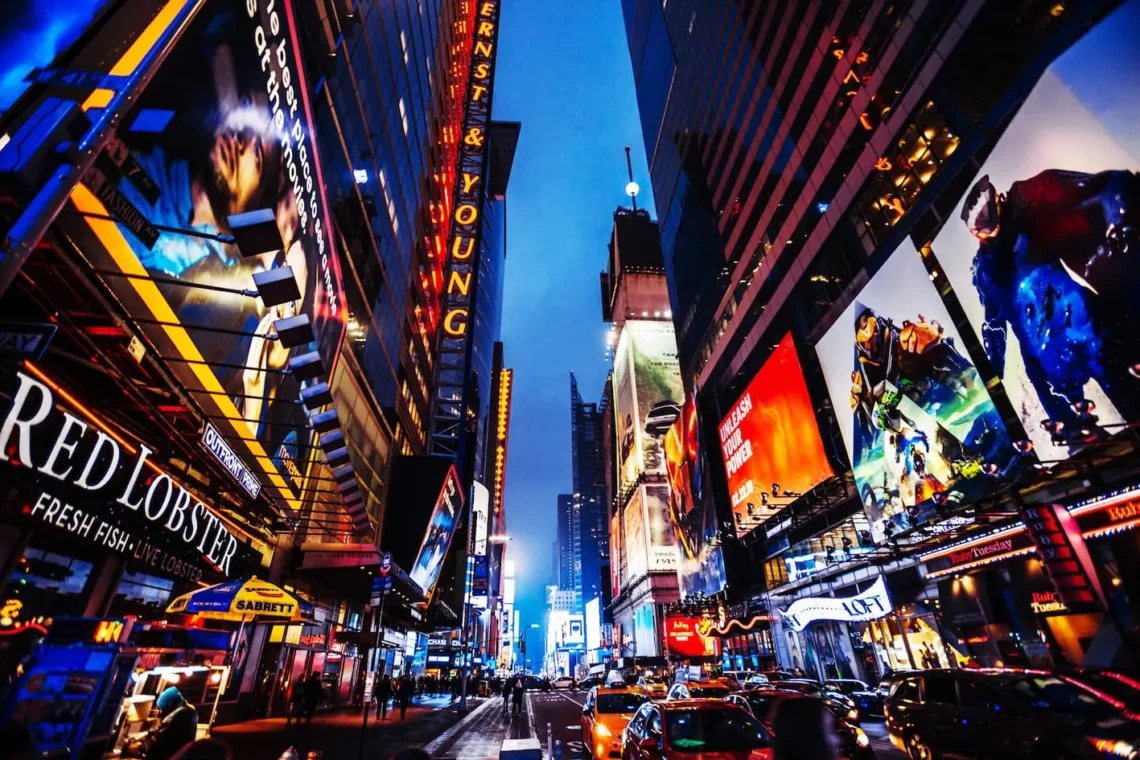
Times Square demonstrates that beauty in New York City does not always come from nature or historic architecture.
The bright electronic displays, illuminated buildings, traffic, and constant movement create an unmistakable urban landscape. The area is particularly striking after dark, when its enormous screens and illuminated streets create a constantly changing visual experience.
Its location near Broadway theaters also makes it a convenient starting point for exploring Manhattan’s Theater District.
9. SoHo
SoHo is one of the best neighborhoods in New York for appreciating historic architecture alongside modern city culture.
The neighborhood is known for its collection of cast-iron buildings, many of which feature elaborate facades and distinctive architectural details. Cobblestone streets, independent stores, restaurants, galleries, and cafés add to the area’s character.
The combination of historic buildings and contemporary businesses gives SoHo a distinctive atmosphere that attracts both architecture enthusiasts and visitors interested in shopping and dining.
10. Wall Street and the Financial District
Wall Street is better known for finance than scenic beauty, but the surrounding Financial District contains plenty of architectural and historical attractions.
Neoclassical buildings, narrow streets, historic landmarks, and public sculptures create a visually distinctive environment. Nearby Battery Park adds open green space and waterfront views, including perspectives toward the Statue of Liberty and New York Harbor.
11. St. Patrick’s Cathedral
Located along Fifth Avenue in Midtown Manhattan, St. Patrick’s Cathedral is an impressive example of Gothic Revival architecture.
Its ornate exterior, towering interior, stained-glass windows, decorative sculptures, and detailed craftsmanship make it one of the city’s most notable religious landmarks. Visitors interested in architecture and history can spend time examining both the exterior facade and interior details.
12. Bryant Park
Bryant Park combines landscaped greenery with one of Manhattan’s most dramatic urban backdrops.
Located behind the New York Public Library, the park provides an open lawn surrounded by skyscrapers. Seasonal activities, gardens, seating areas, and public events make it a popular place to take a break while exploring Midtown.
The contrast between the greenery and surrounding high-rises gives Bryant Park much of its visual appeal.
13. Socrates Sculpture Park
Socrates Sculpture Park in Queens offers an experience that combines outdoor art with waterfront scenery.
The park displays large-scale contemporary sculptures and installations in an open-air setting. Its location along the East River also provides views toward the Manhattan skyline.
Because exhibitions and installations change over time, repeat visitors can encounter different artwork during each visit.
14. The Elevated Acre
The Elevated Acre is a relatively hidden green space in Lower Manhattan.
Situated above street level near the Financial District, this landscaped garden provides visitors with a peaceful setting away from the intensity of nearby streets. Its elevated position also offers views toward the East River and Brooklyn.
For travelers looking for a quieter alternative to some of Manhattan’s busier parks, the Elevated Acre can be an interesting addition to an itinerary.
15. Bannerman Castle
A trip beyond central New York City opens the opportunity to see Bannerman Castle on Pollepel Island in the Hudson River.
The historic structure has a distinctive castle-like appearance and sits against the scenic backdrop of the Hudson Highlands. Depending on seasonal access and available tours, visitors may be able to explore the island through organized excursions, cruises, or kayaking experiences.
The surrounding landscape makes the castle particularly appealing to photographers and history enthusiasts.
16. New York Public Library

The Stephen A. Schwarzman Building of the New York Public Library is much more than a place to find books.
Its historic architecture, grand interiors, large windows, decorative ceilings, and impressive Rose Main Reading Room make it one of Midtown’s most visually appealing cultural destinations.
Its location beside Bryant Park also makes it easy to include both attractions during the same visit.
17. Empire State Building
The Empire State Building remains one of the defining features of the New York skyline.
Completed in 1931, the Art Deco skyscraper has become an enduring symbol of Manhattan. Its observation areas provide panoramic views across the city, allowing visitors to see the surrounding boroughs, waterways, and famous landmarks from above.
The building is particularly striking when illuminated after dark.
18. Broadway and the Theater District
Broadway represents another side of New York City’s visual and cultural identity.
The Theater District is filled with illuminated marquees, historic theaters, restaurants, and busy streets. Evening visits can provide an especially lively atmosphere as theatergoers arrive for performances.
Even without attending a show, walking through the area provides a glimpse into one of the world’s best-known entertainment districts.
19. Top of the Rock
The Top of the Rock Observation Deck at Rockefeller Center offers another spectacular way to experience New York from above.
Its elevated viewpoints provide broad views of Manhattan, including Central Park and the Empire State Building. Unlike some observation decks, the location also provides an unobstructed perspective of the Empire State Building itself.
The surrounding Rockefeller Center complex adds additional architectural and cultural attractions to the visit.
20. Silver Lake Park
Located on Staten Island, Silver Lake Park provides a quieter alternative to Manhattan’s heavily visited attractions.
The large park features open green areas, walking routes, a reservoir, recreational facilities, and natural scenery. Seasonal changes can add a different character to the landscape throughout the year.
Visitors interested in exploring beyond Manhattan can include Silver Lake as part of a broader Staten Island itinerary.
21. Fort Tryon Park and The Met Cloisters
Fort Tryon Park in Upper Manhattan combines landscaped gardens, elevated viewpoints, and Hudson River scenery.
One of its most notable attractions is The Met Cloisters, a museum dedicated primarily to medieval European art and architecture. The surrounding gardens and historic-inspired structures create a distinctive atmosphere that feels far removed from Manhattan’s busiest streets.
The Heather Garden is particularly appealing during flowering seasons, while the park’s elevated location provides scenic views of the Hudson River.
Conclusion
New York City offers far more visual variety than its famous skyline might suggest. Historic monuments, landscaped parks, waterfront promenades, architectural landmarks, cultural institutions, and elevated gardens all contribute to the city’s unique character.
From the Statue of Liberty and Central Park to lesser-known locations such as the Elevated Acre and Socrates Sculpture Park, travelers can build an itinerary around both famous attractions and quieter discoveries. Exploring different neighborhoods and boroughs can reveal just how diverse the city’s landscapes and architecture really are.
For anyone planning a trip to New York City, including a mixture of iconic landmarks and less-touristed locations can create a more complete experience of the city.
FAQs
There is no single answer because beauty depends on personal interests. Central Park, the Statue of Liberty, Brooklyn Bridge Park, the High Line, and Fort Tryon Park are among the destinations that offer particularly memorable scenery.
The Elevated Acre, Socrates Sculpture Park, Madison Square Park, Silver Lake Park, and Fort Tryon Park can provide quieter experiences compared with heavily visited attractions such as Times Square and the Empire State Building.
A combination of walking, public transportation, sightseeing tours, and waterfront routes can work well. Grouping attractions by neighborhood can also reduce travel time and allow visitors to explore several nearby destinations during a single outing