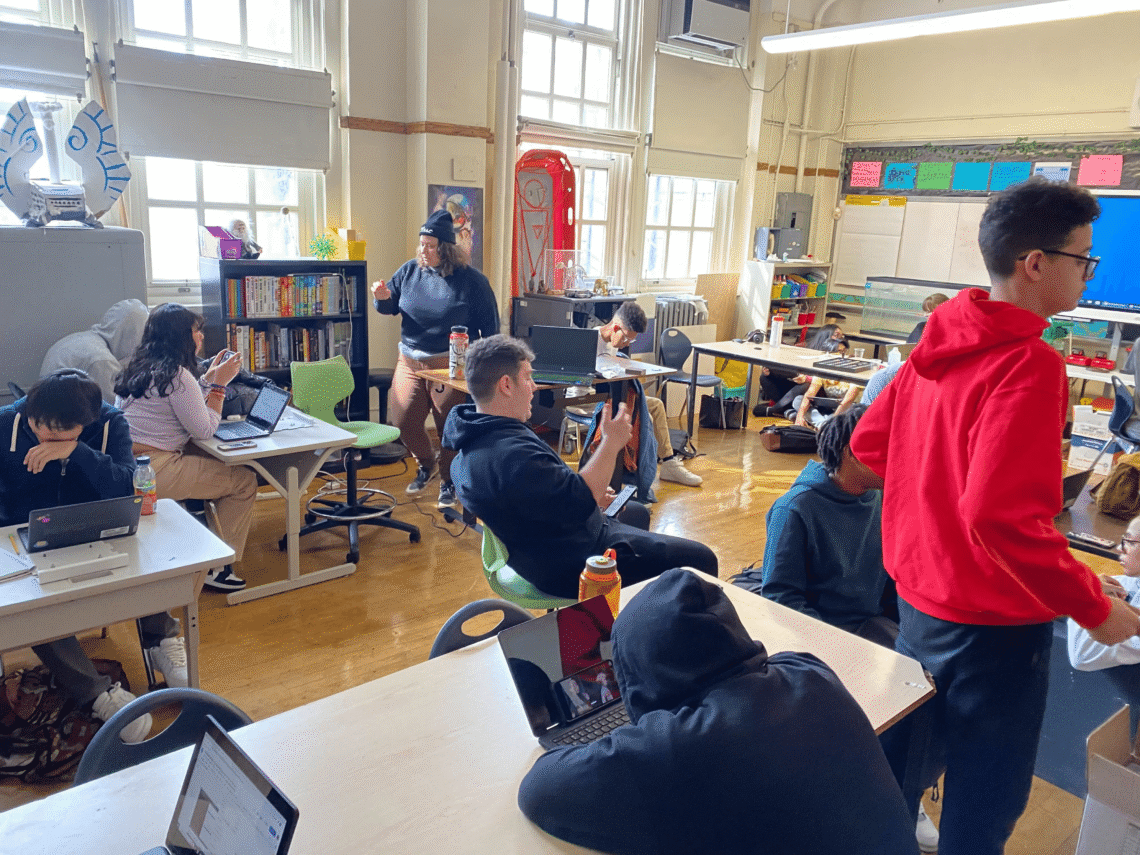
New York has one of the highest levels of public education spending in the United States, yet questions remain about how effectively those resources are used and whether they translate into improved student outcomes. Concerns surrounding educational measurement, teacher preparation, special education, and school leadership have prompted discussions about how the state can strengthen its public education system.
An analysis published by the Manhattan Institute examines these challenges and identifies areas where improved data collection, evidence-based practices, and greater accountability could influence educational performance across New York.
Rising Education Spending and Student Performance
New York’s public education spending has increased significantly over the past several decades. According to the analysis, inflation-adjusted education spending rose by 82% between 1993 and 2026, while public school enrollment declined by 9%. The article also points to a decline in eighth-grade reading performance over the past decade. Discussions about public spending in New York extend beyond education, with city agencies also making changes to compensation for seasonal and emergency services, such as increased pay for emergency snow shovelers.
These figures have raised questions about whether education funding is being directed toward programs and practices that deliver measurable benefits. Higher spending alone does not necessarily guarantee better academic outcomes, making it important to evaluate how resources are allocated and how schools measure their effectiveness.
The Need for Better Educational Measurement
One of the key issues highlighted in the analysis is the limited evaluation of certain education programs. New York has expanded special education services and school-based mental health programs, but questions remain about how consistently the state tracks service delivery, program effectiveness, and student progress.
The state has established more than 1,000 school-based mental health clinics, while approximately 21% of public school students are classified as having a disability, compared with a reported national average of 15%. The analysis argues that stronger monitoring could help policymakers understand whether students are receiving appropriate support and whether these programs are meeting their intended objectives.
Early identification of students who are struggling academically is another area of concern. While many states use universal literacy screening during the early elementary years, the article argues that New York could improve its tracking of students who need additional reading support before third-grade assessments.
Early screening and consistent progress monitoring can help schools identify learning challenges sooner and make instructional adjustments based on individual student needs.
Strengthening Teacher Preparation and Certification
Teacher preparation is another important component of education quality. New York has rigorous certification requirements, including a master’s degree requirement for many teachers and ongoing professional development obligations.
However, the analysis questions whether these requirements adequately ensure that teacher training programs provide research-based instruction in reading and mathematics. It claims that half of New York’s teacher-education programs do not meet requirements related to reading instruction.
Improving the connection between teacher preparation and evidence-based teaching methods could support classroom instruction. The article also discusses interstate teacher mobility and suggests that New York consider reducing unnecessary barriers for fully licensed teachers from other states.
Any changes to certification policies would need to balance teacher recruitment, professional standards, and the preparation necessary to support student learning.
Changes to Graduation Requirements
New York is transitioning toward a Portrait of a Graduate framework that would allow students to demonstrate mastery through various options, including coursework, projects, internships, work-based learning, and community service. Under the changes discussed in the analysis, Regents examinations would remain available but would no longer be the mandatory graduation requirement.
This approach creates opportunities for schools to recognize different forms of student achievement. At the same time, it raises questions about consistency between school districts.
Without shared standards, evaluation criteria, and external review, students in different districts could face varying expectations for demonstrating academic mastery. Establishing clear statewide benchmarks could help ensure that alternative graduation pathways maintain transparency and credibility.
Charter Schools and Access to Educational Options
Charter schools are also discussed in the analysis, particularly in relation to student achievement and enrollment restrictions. The article cites research that it interprets as showing positive academic outcomes for some charter school students and argues that legislative limits on charter school expansion should be reconsidered.
Charter school enrollment includes a substantial proportion of Black and Hispanic students, according to the figures presented in the analysis. However, comparisons between charter schools and traditional district schools require attention to factors such as student populations, enrollment policies, school locations, and differences in available programs.
The broader discussion centers on how policymakers can evaluate school models and consider educational options while ensuring that decisions are supported by reliable evidence and equitable access.
Education Leadership and Accountability in New York
The structure of New York’s education leadership is another focus of the article. The Board of Regents consists of 17 members elected by the state legislature, with members serving five-year terms. The Board selects the education commissioner.
The analysis argues that the existing selection process limits direct accountability to parents and voters. It proposes changes to the process for selecting Regents and recommends greater transparency regarding the evidence used to support education policy decisions.
Questions about governance are closely connected to how education systems establish priorities, evaluate programs, and respond to public concerns. Clear responsibilities and accessible information can help communities understand who makes decisions and how outcomes are assessed.
Conclusion
New York’s public education system faces several interconnected challenges involving funding, academic measurement, teacher preparation, graduation standards, school options, and leadership accountability. The analysis published by the Manhattan Institute presents specific policy proposals, while the broader discussion highlights the importance of evaluating reforms through reliable data and student outcomes.
Improving public education requires more than increasing spending or introducing new programs. Consistent assessment, transparent decision-making, and evidence-based instructional practices can help policymakers and educators identify areas for improvement and better understand how educational resources affect students across the state.
Frequently Asked Questions
According to the analysis, inflation-adjusted public education spending in New York increased by 82% between 1993 and 2026. The article compares this increase with declining public school enrollment and concerns about student reading performance.
New York’s Portrait of a Graduate framework allows students to demonstrate learning through options such as coursework, projects, internships, work-based learning, and community service. Regents examinations would remain available but would no longer be required for graduation under the changes described.
Educational measurement helps schools and policymakers evaluate student progress, determine whether programs are effective, and identify areas requiring additional support. Consistent data collection can also improve transparency and help guide decisions about education funding and policy.

