
Supply chain disruptions can quickly turn a routine purchasing problem into a serious business challenge. Shipping delays, production interruptions, extreme weather, regulatory changes, and unexpected demand can all affect the availability of essential products and materials. For businesses that depend heavily on one supplier, even a short disruption can result in delayed orders, higher costs, and dissatisfied customers.
That is why reducing supplier dependency has become an important part of modern procurement strategy. Businesses do not necessarily need to replace their primary suppliers. Instead, they need enough flexibility to keep operations moving when one supplier experiences a problem.
Identify Where Supplier Dependency Exists
The first step is understanding which suppliers are critical to the business. Procurement teams should review products, materials, and services that would be difficult to replace if a supplier stopped delivering. Important questions include: How much of a critical product comes from one supplier? How quickly could an alternative supplier provide it? Are multiple suppliers dependent on the same geographic region or transportation route? Would switching suppliers require additional testing, certification, or approval?
This type of review helps businesses identify single points of failure before they become emergencies.
Build Qualified Alternative Suppliers
Supplier diversification does not mean working with dozens of vendors. In many cases, maintaining a primary supplier and one or two qualified alternatives can provide meaningful protection. A backup supplier should be evaluated before it is needed. Businesses can review pricing, quality standards, production capacity, delivery times, certifications, and financial stability. Where appropriate, companies can also test products or place smaller orders to establish a working relationship. The advantage is simple: when the primary supplier experiences a disruption, the business already has an alternative rather than beginning its search under pressure.
Consider Geographic Risk
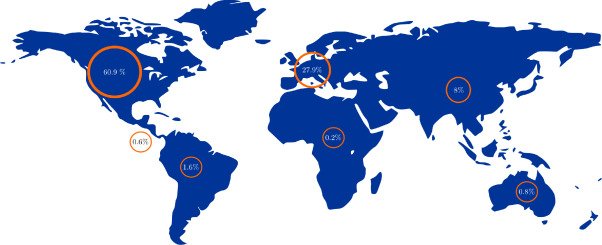
Having multiple suppliers does not always eliminate risk. Two suppliers may operate in the same region or rely on the same upstream manufacturer. A natural disaster, port closure, or regional transportation problem could therefore affect both. Businesses should consider supplier locations, manufacturing facilities, transportation routes, and important upstream dependencies when assessing supply-chain exposure.
Balance Cost With Resilience
Choosing suppliers based entirely on the lowest price can create hidden risks. A cheaper supplier may appear more efficient, but a prolonged disruption could cost considerably more through production delays, emergency purchasing, or lost customers. For critical products, paying somewhat more for a qualified secondary supplier may be worthwhile if it provides greater flexibility during a disruption. The objective is not maximum diversification. It is finding the right balance between cost, reliability, availability, and risk.
Create a Practical Contingency Plan
Businesses should also establish clear procedures for responding when a critical supplier becomes unavailable. The plan can identify who monitors supplier risks, who contacts alternative vendors, how inventory is assessed, and when management should be notified. Maintaining appropriate safety stock for especially critical products can provide additional time while an alternative source is activated.
Build Resilience Before the Disruption
Supplier diversification works best when it is treated as an ongoing business strategy rather than an emergency response. Regular supplier reviews can identify changing risks, declining performance, geographic concentration, or growing dependence on a single vendor. Ultimately, a resilient supply chain is not one that eliminates every possible disruption. It is one that can absorb a disruption without bringing the entire business to a halt. By identifying critical dependencies, developing qualified alternatives, monitoring supplier risk, and balancing purchasing efficiency with flexibility, businesses can build greater supply-chain resilience and protect their operations when unexpected problems arise.